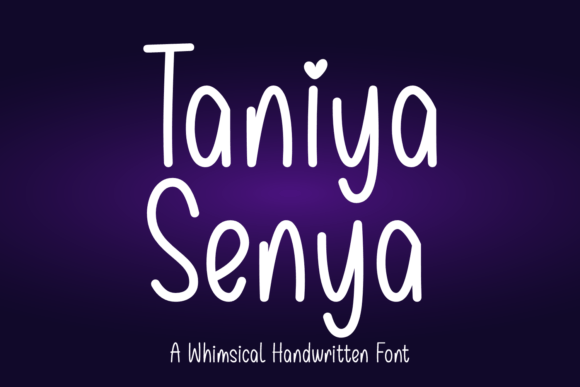
Taniya Senya: A Handwritten Font for Creative Projects
As I sat down to redesign the header for my lifestyle blog, I found myself drawn to the idea of a font that felt personal, expressive, and alive. Taniya Senya, a playful and flexible handwritten font from Script Amp, was exactly what I needed. Its soft curves and dynamic strokes brought a sense of warmth and authenticity that standard typefaces often lack.
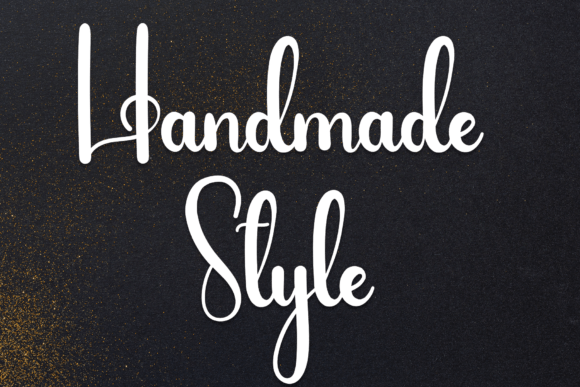
What makes Taniya Senya stand out is its balance between spontaneity and structure. The characters flow naturally, with subtle variations in weight and spacing that mimic the rhythm of real handwriting. It’s not overly ornate, but it carries a distinct personality—like a friendly note scribbled in the margin of a journal. This quality makes it ideal for projects that aim to feel approachable and human.
For my blog redesign, I used Taniya Senya as the main heading font. The contrast between its fluid script and the clean sans serif body text created a visual harmony that guided the reader through the content without overwhelming them. It also added a touch of character to the site’s overall design, making it feel more like a curated space than a generic template.
Using Taniya Senya in Editorial Design
When working on a recipe ebook, I experimented with Taniya Senya for the title page and chapter openers. The font’s natural, almost calligraphic feel complemented the warm, inviting tone of the content. It gave each section a sense of purpose and visual interest, while still maintaining readability for longer text blocks.
One of the things I appreciate most about Taniya Senya is how well it works in different editorial contexts. Whether it’s a newsletter header, a printable planner, or a digital magazine layout, it adapts without losing its charm. It’s especially effective when used as a decorative accent, such as in pull quotes or section dividers, where it can add a layer of visual storytelling.
For a wedding guide I was designing, I paired Taniya Senya with a classic serif font for the body text. The combination created a elegant yet accessible look that felt both refined and intimate. The handwritten font added a personal touch to the guide’s branding, making it feel more like a custom creation than a generic template.
Readability and Practical Considerations
While Taniya Senya is undeniably beautiful, it’s important to consider its suitability for different formats. On screen, especially on smaller devices, the font’s irregular shapes and tight spacing can sometimes make it harder to read at smaller sizes. For this reason, I tend to use it for headings and short phrases rather than long paragraphs.
When exporting to PDF or print, Taniya Senya maintains its clarity and character, making it a reliable choice for downloadable guides, worksheets, and printed materials. Its multilingual support and range of styles ensure that it can be used across a variety of projects without compromising quality.
Before using Taniya Senya in any commercial project, I always check the licensing terms. As a premium font, it comes with clear guidelines for use in ebooks, templates, and client work, which is essential for anyone creating digital products or selling printables.
Pairing Taniya Senya with Other Fonts
Font pairing is an essential part of editorial design, and Taniya Senya pairs well with both serif and sans serif fonts. For a modern, minimalist look, I often combine it with a clean sans serif like Lato or Montserrat. This creates a balanced composition that feels both contemporary and readable.
When working on a coaching workbook, I paired Taniya Senya with a traditional serif font like Georgia or Garamond. The contrast between the two fonts helped define the structure of the content while maintaining a cohesive aesthetic. It also made the headings stand out without disrupting the flow of the text.
For social media graphics and web design, I sometimes use Taniya Senya as a logo font or for headlines. Its flexibility allows it to work well in both digital and print formats, making it a versatile addition to any designer’s toolkit.
Ultimately, Taniya Senya is more than just a font—it’s a design tool that brings a sense of warmth and creativity to any project. Whether you’re building a lifestyle blog, crafting a recipe ebook, or designing a wedding guide, it offers a unique way to express your brand’s voice and connect with your audience.
Its charm lies in its ability to feel both personal and professional, making it a go-to choice for anyone looking to elevate their editorial design with a touch of character and style.